Utility controls research
Property management utility final bill variance study
By final bill, this study checks whether each selected utility account has traceable service dates, meter evidence, responsibility records, charges, credits, and closure at the September 16 cutoff. A bill total alone cannot explain a variance. The result does not determine liability, validate a meter, interpret a tariff, or authorize payment.
Published September 16, 2026 | Sources verified 2026-09-16 | 3,264 words
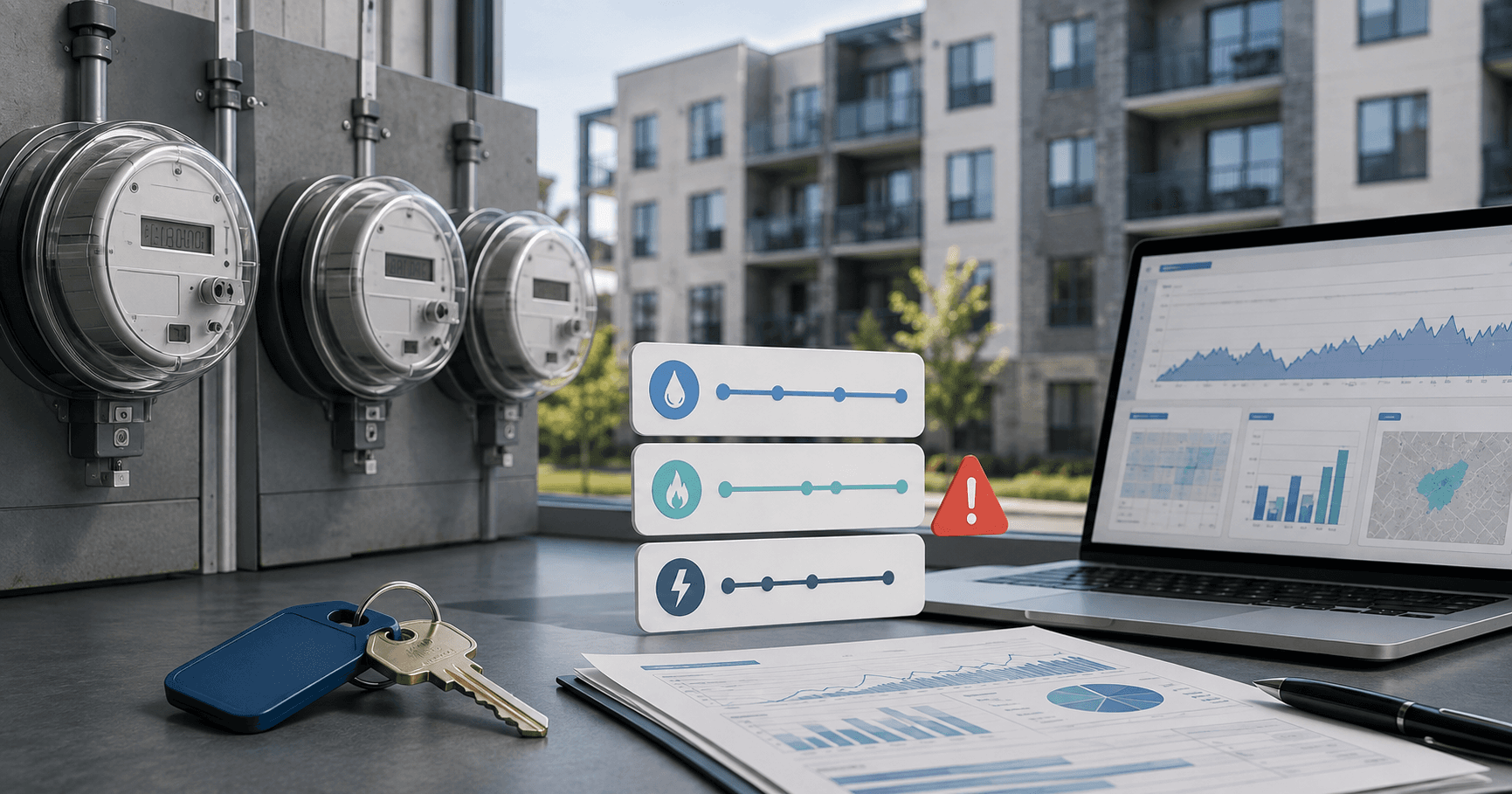
Utility final bill variance
By final bill
Variance review connects service dates, meter evidence, account responsibility, charges, credits, and closure
Key takeaways
- Build the population from accounts with a final bill inside the observation window.
- Retain service orders, meter evidence, invoices, credits, and responsibility dates.
- Keep corrected bills linked to the original document.
- Leave tariff interpretation, liability, and payment approval with authorized staff.
Key statistics and definitions
One account
Keep service start, stop, final bill, correction, and payment in one case history
Dates fixed
Compare billed service dates with the approved responsibility window
Variance coded
Separate usage, fee, timing, credit, and account assignment exceptions
Methodology
Property management utility final bill variance study uses 6 named public sources, each checked on July 23, 2026. The review starts with By final bill, whose published meaning is variance review connects service dates, meter evidence, account responsibility, charges, credits, and closure. Source facts remain distinct from editorial operating recommendations throughout this utility final bill variance analysis.
For Property management utility final bill variance study, editors compared publication dates, observation periods, covered populations, geography, units, exclusions, and revision notes. Figures were not blended when their definitions differed. The retained source list lets a reader reopen each publisher's material and assess the stated utility final bill variance use.
The Property management utility final bill variance study table converts the source review into property records by naming service window, meter evidence, final bill, exception, closure. Those rows are diagnostic prompts, not universal benchmarks. A manager should validate them against current systems, portfolio definitions, and jurisdiction requirements before adoption.
Every Property management utility final bill variance study recommendation is an editorial application of cited evidence. Federal, state, local, program, lease, accounting, employment, safety, privacy, and legal requirements can change the correct procedure. Qualified authorized professionals should decide matters outside routine utility final bill variance reporting.
The utility final bill variance answer and its limits
By final bill, this study checks whether each selected utility account has traceable service dates, meter evidence, responsibility records, charges, credits, and closure at the September 16 cutoff. A bill total alone cannot explain a variance. The result does not determine liability, validate a meter, interpret a tariff, or authorize payment. The direct numeric answer for Property management utility final bill variance study is By final bill. Read it exactly as variance review connects service dates, meter evidence, account responsibility, charges, credits, and closure, rather than as an automatic target for a building or team.
Property management utility final bill variance study belongs to the utility controls group because its strongest use is comparative context. A portfolio still needs a local utility final bill variance numerator, denominator, observation date, inventory rule, and exception policy before a management decision can follow.
A sound Property management utility final bill variance study briefing shows the outside figure and local count separately. It explains where geography, coverage, timing, or unit definitions diverge, then directs attention to records the operating team can actually correct.
- Build the population from accounts with a final bill inside the observation window.
- Retain service orders, meter evidence, invoices, credits, and responsibility dates.
- Keep corrected bills linked to the original document.
- Leave tariff interpretation, liability, and payment approval with authorized staff.
Utility final bill variance route evidence
Start with every utility account whose final bill date falls inside the observation window.
Keep the property, provider account, service start, service stop, responsible party, and approved transfer order in one case.
Capture opening and closing meter evidence with its source and read type.
Record charges, fees, credits, taxes, due date, and the original invoice identifier without overwriting later corrections.
Classify differences as usage, service-date, fee, credit, tax, or account-assignment exceptions.
Link a corrected bill to the first bill and preserve the reason for the change.
Sample a routine close, an estimated read, a responsibility overlap, a corrected invoice, and an unresolved dispute.
A lower corrected total does not prove the original meter reading was wrong.
The September 16 finding applies only to the stated providers, properties, cutoff, and available source records.
It cannot determine liability, interpret a utility tariff, validate equipment, settle a dispute, or authorize payment.
How this utility final bill variance review is built
Start with every utility account whose final bill date falls inside the observation window. For this utility final bill variance review, the working record is service window, property, account, start, stop, and responsible party, which dates should the bill cover?. The reviewer checks that record against one account, meaning keep service start, stop, final bill, correction, and payment in one case history. Keep the source event, review action, open exception, and cutoff result together. If one field is missing, mark that gap rather than reconstructing it from memory. This method keeps the utility final bill variance finding tied to the selected population and observation window. It also lets a second operator repeat the check without treating an administrative flag as a legal, accounting, payment, safety, or access decision.
Keep the property, provider account, service start, service stop, responsible party, and approved transfer order in one case. For this utility final bill variance review, the working record is meter evidence, opening, closing, read type, and source, what usage record exists?. The reviewer checks that record against dates fixed, meaning compare billed service dates with the approved responsibility window. Keep the source event, review action, open exception, and cutoff result together. If one field is missing, mark that gap rather than reconstructing it from memory. This method keeps the utility final bill variance finding tied to the selected population and observation window. It also lets a second operator repeat the check without treating an administrative flag as a legal, accounting, payment, safety, or access decision.
Capture opening and closing meter evidence with its source and read type. For this utility final bill variance review, the working record is final bill, charges, fees, credits, taxes, and due date, which amount entered review?. The reviewer checks that record against variance coded, meaning separate usage, fee, timing, credit, and account assignment exceptions. Keep the source event, review action, open exception, and cutoff result together. If one field is missing, mark that gap rather than reconstructing it from memory. This method keeps the utility final bill variance finding tied to the selected population and observation window. It also lets a second operator repeat the check without treating an administrative flag as a legal, accounting, payment, safety, or access decision.
Record charges, fees, credits, taxes, due date, and the original invoice identifier without overwriting later corrections. For this utility final bill variance review, the working record is exception, variance code, owner, source request, and age, what remains unresolved?. The reviewer checks that record against one account, meaning keep service start, stop, final bill, correction, and payment in one case history. Keep the source event, review action, open exception, and cutoff result together. If one field is missing, mark that gap rather than reconstructing it from memory. This method keeps the utility final bill variance finding tied to the selected population and observation window. It also lets a second operator repeat the check without treating an administrative flag as a legal, accounting, payment, safety, or access decision.
Sampling and exception handling
Classify differences as usage, service-date, fee, credit, tax, or account-assignment exceptions. For this utility final bill variance review, the working record is closure, corrected bill, approval, payment, or documented dispute, what ended the case?. The reviewer checks that record against dates fixed, meaning compare billed service dates with the approved responsibility window. Keep the source event, review action, open exception, and cutoff result together. If one field is missing, mark that gap rather than reconstructing it from memory. This method keeps the utility final bill variance finding tied to the selected population and observation window. It also lets a second operator repeat the check without treating an administrative flag as a legal, accounting, payment, safety, or access decision.
Link a corrected bill to the first bill and preserve the reason for the change. For this utility final bill variance review, the working record is service window, property, account, start, stop, and responsible party, which dates should the bill cover?. The reviewer checks that record against variance coded, meaning separate usage, fee, timing, credit, and account assignment exceptions. Keep the source event, review action, open exception, and cutoff result together. If one field is missing, mark that gap rather than reconstructing it from memory. This method keeps the utility final bill variance finding tied to the selected population and observation window. It also lets a second operator repeat the check without treating an administrative flag as a legal, accounting, payment, safety, or access decision.
Sample a routine close, an estimated read, a responsibility overlap, a corrected invoice, and an unresolved dispute. For this utility final bill variance review, the working record is meter evidence, opening, closing, read type, and source, what usage record exists?. The reviewer checks that record against one account, meaning keep service start, stop, final bill, correction, and payment in one case history. Keep the source event, review action, open exception, and cutoff result together. If one field is missing, mark that gap rather than reconstructing it from memory. This method keeps the utility final bill variance finding tied to the selected population and observation window. It also lets a second operator repeat the check without treating an administrative flag as a legal, accounting, payment, safety, or access decision.
Inference boundaries and limitations
A lower corrected total does not prove the original meter reading was wrong. For this utility final bill variance review, the working record is final bill, charges, fees, credits, taxes, and due date, which amount entered review?. The reviewer checks that record against dates fixed, meaning compare billed service dates with the approved responsibility window. Keep the source event, review action, open exception, and cutoff result together. If one field is missing, mark that gap rather than reconstructing it from memory. This method keeps the utility final bill variance finding tied to the selected population and observation window. It also lets a second operator repeat the check without treating an administrative flag as a legal, accounting, payment, safety, or access decision.
The September 16 finding applies only to the stated providers, properties, cutoff, and available source records. For this utility final bill variance review, the working record is exception, variance code, owner, source request, and age, what remains unresolved?. The reviewer checks that record against variance coded, meaning separate usage, fee, timing, credit, and account assignment exceptions. Keep the source event, review action, open exception, and cutoff result together. If one field is missing, mark that gap rather than reconstructing it from memory. This method keeps the utility final bill variance finding tied to the selected population and observation window. It also lets a second operator repeat the check without treating an administrative flag as a legal, accounting, payment, safety, or access decision.
It cannot determine liability, interpret a utility tariff, validate equipment, settle a dispute, or authorize payment. For this utility final bill variance review, the working record is closure, corrected bill, approval, payment, or documented dispute, what ended the case?. The reviewer checks that record against one account, meaning keep service start, stop, final bill, correction, and payment in one case history. Keep the source event, review action, open exception, and cutoff result together. If one field is missing, mark that gap rather than reconstructing it from memory. This method keeps the utility final bill variance finding tied to the selected population and observation window. It also lets a second operator repeat the check without treating an administrative flag as a legal, accounting, payment, safety, or access decision.
Utility final bill variance record sampling scenarios
Use service window as a case test for Property management utility final bill variance study. The expected utility final bill variance evidence is property, account, start, stop, and responsible party linked with which dates should the bill cover?, while the utility final bill variance instruction is: Build the population from accounts with a final bill inside the observation window. In a Property management utility final bill variance study sample, select one ordinary utility final bill variance record, one unresolved utility final bill variance record, and one changed utility final bill variance entry. Trace each utility final bill variance case from original evidence through utility final bill variance classification and final reporting. Compare the utility final bill variance meaning first with EPA, ENERGY STAR Portfolio Manager, then use NIST, Privacy Framework only for the separate utility final bill variance context it supplies. A utility final bill variance reviewer should explain every exclusion, confirm who approved any utility final bill variance correction, and preserve the prior value. This service window exercise gives Property management utility final bill variance study an auditable result without pretending that a public statistic diagnoses an individual property.
Use meter evidence as a case test for Property management utility final bill variance study. The expected utility final bill variance evidence is opening, closing, read type, and source linked with what usage record exists?, while the utility final bill variance instruction is: Retain service orders, meter evidence, invoices, credits, and responsibility dates. In a Property management utility final bill variance study sample, select one ordinary utility final bill variance record, one unresolved utility final bill variance record, and one changed utility final bill variance entry. Trace each utility final bill variance case from original evidence through utility final bill variance classification and final reporting. Compare the utility final bill variance meaning first with National Archives, records management, then use Ready.gov, business continuity planning only for the separate utility final bill variance context it supplies. A utility final bill variance reviewer should explain every exclusion, confirm who approved any utility final bill variance correction, and preserve the prior value. This meter evidence exercise gives Property management utility final bill variance study an auditable result without pretending that a public statistic diagnoses an individual property.
Use final bill as a case test for Property management utility final bill variance study. The expected utility final bill variance evidence is charges, fees, credits, taxes, and due date linked with which amount entered review?, while the utility final bill variance instruction is: Keep corrected bills linked to the original document. In a Property management utility final bill variance study sample, select one ordinary utility final bill variance record, one unresolved utility final bill variance record, and one changed utility final bill variance entry. Trace each utility final bill variance case from original evidence through utility final bill variance classification and final reporting. Compare the utility final bill variance meaning first with FTC, Start with Security, then use BLS, property and real estate managers only for the separate utility final bill variance context it supplies. A utility final bill variance reviewer should explain every exclusion, confirm who approved any utility final bill variance correction, and preserve the prior value. This final bill exercise gives Property management utility final bill variance study an auditable result without pretending that a public statistic diagnoses an individual property.
Use exception as a case test for Property management utility final bill variance study. The expected utility final bill variance evidence is variance code, owner, source request, and age linked with what remains unresolved?, while the utility final bill variance instruction is: Leave tariff interpretation, liability, and payment approval with authorized staff. In a Property management utility final bill variance study sample, select one ordinary utility final bill variance record, one unresolved utility final bill variance record, and one changed utility final bill variance entry. Trace each utility final bill variance case from original evidence through utility final bill variance classification and final reporting. Compare the utility final bill variance meaning first with NIST, Privacy Framework, then use EPA, ENERGY STAR Portfolio Manager only for the separate utility final bill variance context it supplies. A utility final bill variance reviewer should explain every exclusion, confirm who approved any utility final bill variance correction, and preserve the prior value. This exception exercise gives Property management utility final bill variance study an auditable result without pretending that a public statistic diagnoses an individual property.
Use closure as a case test for Property management utility final bill variance study. The expected utility final bill variance evidence is corrected bill, approval, payment, or documented dispute linked with what ended the case?, while the utility final bill variance instruction is: Build the population from accounts with a final bill inside the observation window. In a Property management utility final bill variance study sample, select one ordinary utility final bill variance record, one unresolved utility final bill variance record, and one changed utility final bill variance entry. Trace each utility final bill variance case from original evidence through utility final bill variance classification and final reporting. Compare the utility final bill variance meaning first with Ready.gov, business continuity planning, then use National Archives, records management only for the separate utility final bill variance context it supplies. A utility final bill variance reviewer should explain every exclusion, confirm who approved any utility final bill variance correction, and preserve the prior value. This closure exercise gives Property management utility final bill variance study an auditable result without pretending that a public statistic diagnoses an individual property.
Utility final bill variance implementation sequence
For Property management utility final bill variance study, approve one written definition and one reporting period first. Map source fields, identify exclusions, reconcile the population, sample normal and exception records, and obtain accountable approval before automating the calculation.
Next, create a Property management utility final bill variance study runbook with source links, extraction steps, calculation logic, cutoff time, quality checks, correction handling, retention, backup ownership, and escalation contacts. Ask a second operator to reproduce the utility final bill variance output from retained inputs.
After two comparable Property management utility final bill variance study cycles, remove fields that did not support a decision and add evidence only for a defined question. More columns increase collection and privacy burden when they do not clarify utility final bill variance action.
Use the site's property management services and resources to organize recurring Property management utility final bill variance study records. Keep final legal, accounting, housing, employment, privacy, and safety decisions with qualified authorized professionals familiar with the applicable facts.
Reference table
| Billing stage | Required record | Review question |
|---|---|---|
| Service window | Property, account, start, stop, and responsible party | Which dates should the bill cover? |
| Meter evidence | Opening, closing, read type, and source | What usage record exists? |
| Final bill | Charges, fees, credits, taxes, and due date | Which amount entered review? |
| Exception | Variance code, owner, source request, and age | What remains unresolved? |
| Closure | Corrected bill, approval, payment, or documented dispute | What ended the case? |
Sources
- EPA, ENERGY STAR Portfolio Manager Accessed 2026-09-16.
- National Archives, records management Accessed 2026-09-16.
- FTC, Start with Security Accessed 2026-09-16.
- NIST, Privacy Framework Accessed 2026-09-16.
- Ready.gov, business continuity planning Accessed 2026-09-16.
- BLS, property and real estate managers Accessed 2026-09-16.
Frequently asked questions
How is the population for utility final bill variance fixed?
Write the included record type, observation window, cutoff, exclusions, and unit of analysis before extracting utility final bill variance. Keep that definition with every reported result.
What does a flagged record mean?
A flag identifies a record that needs review under the stated utility final bill variance rule. It does not determine liability, tariff meaning, meter accuracy, or payment authority.
Which work can a VA perform?
A property management VA may collect source files, reconcile approved fields, maintain exception ages, and prepare a review packet for utility final bill variance. Designated staff make legal, accounting, safety, housing, payment, and policy decisions.
Which limits should the result disclose?
State missing records, system changes, exclusions, reviewer disagreements, later corrections, and any fields that could not be verified. The finding applies only to the defined utility final bill variance population and cutoff.